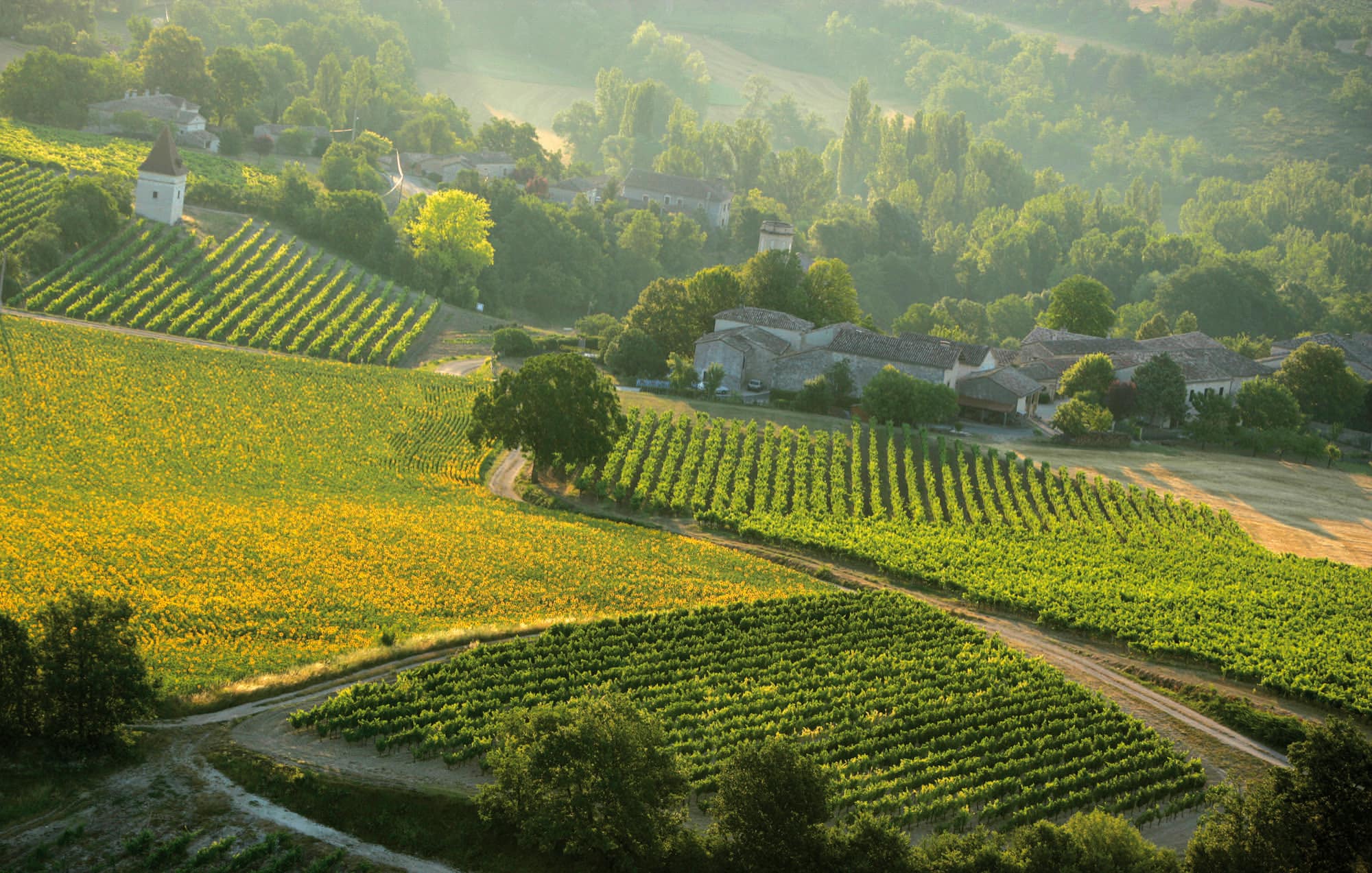
Vineyard
Gaillac Primeur is released the same day as Beaujolais
On the third Thursday of November everyone looks north. Gaillac opens its bottles the same morning, and does something Beaujolais does not: a white primeur. It is also the only primeur with AOP status in the whole south-west.
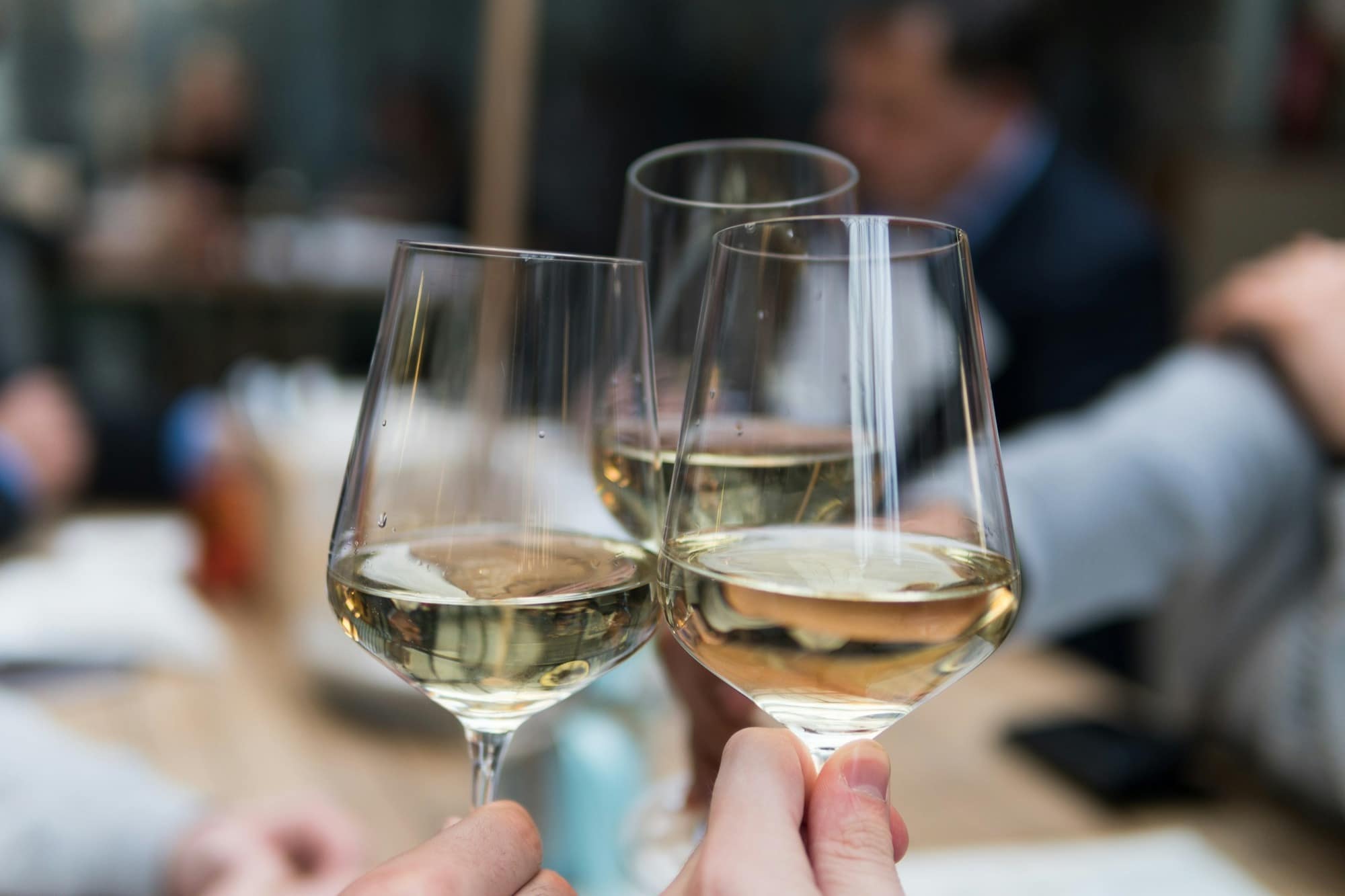
Every third Thursday of November, the whole of France looks towards a single wine region. Meanwhile, at Gaillac, bottles are being opened too — the same morning, at the same hour, and with an argument Beaujolais does not have.
The only AOP primeur in the south-west
Start with the fact that frames everything: Gaillac Primeur is the only primeur wine with protected designation of origin status in the whole of south-west France.
That is not a decorative label. A primeur within an AOP means the practice is governed by the appellation’s rulebook: set grape varieties, defined method, fixed release date. Elsewhere in the south-west you can make new wine; here it is an official category of the appellation.
This year the release falls on Thursday 19 November 2026.
The red: gamay, and nothing else
For the red primeur, gamay is the only permitted grape. It is also about the only place in the vineyard where it holds any ground — the Cunac area, east of Albi, is its stronghold.
The method is the one you would expect of a primeur: carbonic maceration. Whole, undestemmed bunches go into a sealed vat saturated with carbon dioxide. Fermentation then starts inside the berry itself, over four to five days, before pressing.
That intracellular fermentation is what gives primeur its profile: plenty of fruit, little tannin, a light structure. A wine made to be drunk at once, and which claims nothing else.
The white, and this is where it gets interesting
Here is the point almost nobody outside the Tarn knows: Gaillac also makes a white primeur.
Beaujolais does not. Most primeur regions do not. Gaillac does — and with its own grapes: Mauzac, Loin de l’Œil and Muscadelle.
That detail changes the nature of the exercise. A gamay red primeur can be found elsewhere; a Loin de l’Œil white primeur, nowhere. It is a chance to taste grapes almost no other vineyard has kept in their rawest form — vinified weeks after picking, with no ageing to round the edges.
If you only taste one thing that Thursday, taste the white.
Chai Mon Vigneron: four days, thirty estates
The release is not marked with a solitary glass. It opens Chai Mon Vigneron, from Thursday 19 to Sunday 22 November 2026 — four days during which more than thirty estates of the appellation open their wineries.
The programme mixes registers: walks through the vines, food markets, concerts, evening events, and bus tours for anyone wanting to string estates together without driving — not a trivial detail on a tasting weekend.
Many growers simply receive visitors at the property, without ceremony. It is the autumn version of what we described for Vignobles en Scène in October, more informal and more spread out.
How to go about it
Three pieces of advice, drawn from the logic of the event.
Book for the evenings and the buses. Estate visits run as they come, but anything organised fills up — this is the busiest weekend of the autumn in the vineyard.
Check the programme estate by estate, published on the Vins de Gaillac website. Some events are free, others charged, and the thirty-odd participants are not all doing the same thing.
Do not judge the vintage on the primeur. A wine made in a few days tells you about the year’s fruit, not its potential. To know what 2026 will really give — an early year, marked by a June heatwave and the hottest July ever recorded — you will have to wait for the aged cuvées.
What the primeur says about the vineyard
A last word on what the exercise means. Making a primeur is agreeing to show your wine before it is ready to impress. Few prestigious regions take the risk.
Gaillac has done it long enough to have made it a category of the appellation, and does it in both colours. That is consistent with what this vineyard is: a place that kept methods others abandoned — like the bubbles that predate champagne — without apologising for not resembling its neighbours.